Written by the Motorplex Team
Providing on-site fleet repairs and breakdown solutions throughout the Pacific Northwest
A wheel seal leak can cause oil to contaminate the braking system. If drivers suspect a leaking wheel seal, they should get it fixed right away. Not doing so can cause premature wheel bearing damage, more extensive repairs, increased vehicle downtime and compromised brakes. It’s bad for the truck and a serious safety issue.
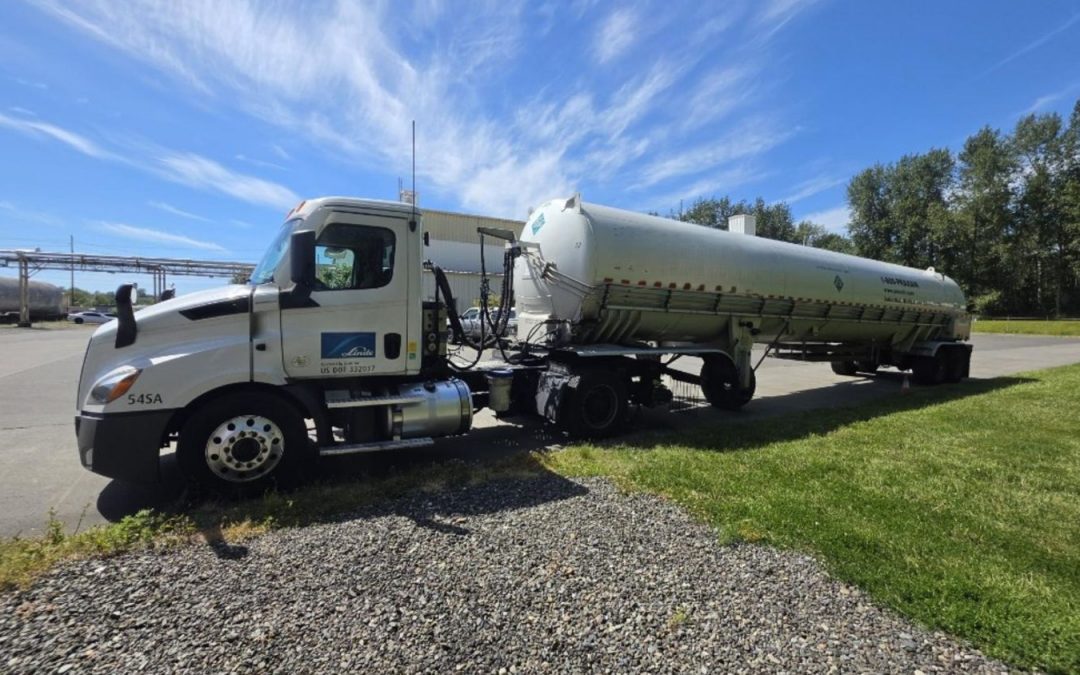
Motorplex by FleetEasy offers on-site fleet repair services throughout Washington State and can help commercial truck drivers wherever they are. By sending experienced technicians directly to the truck, fleets can get back to work safely.
Recently, Motorplex responded to a driver’s call about a wheel seal leak and oil in the brakes. In this article, we’ll share more about this type of failure and how we got this job done.
What Causes a Wheel Seal to Fail?
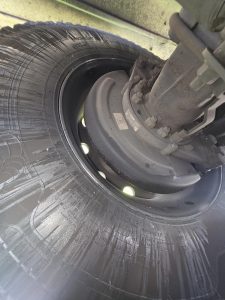 A wheel seal is designed to keep lubricating oil inside the wheel hub while preventing dirt, water, and other contaminants from entering. Over time, even well-maintained trucks can experience wheel seal failure.
Common causes include normal wear, high mileage, excessive heat, damaged wheel bearings, improper installation, contaminated lubricant, or impacts from rough roads and job sites. As the seal deteriorates, gear oil can begin leaking from the hub and make its way onto the wheel and braking components.
Because wheel seals are constantly exposed to heat, vibration, and heavy loads, regular inspections are an important part of preventative fleet maintenance. Catching a leak early can often prevent more extensive repairs later.
Why Oil on the Brakes Is a Serious Problem
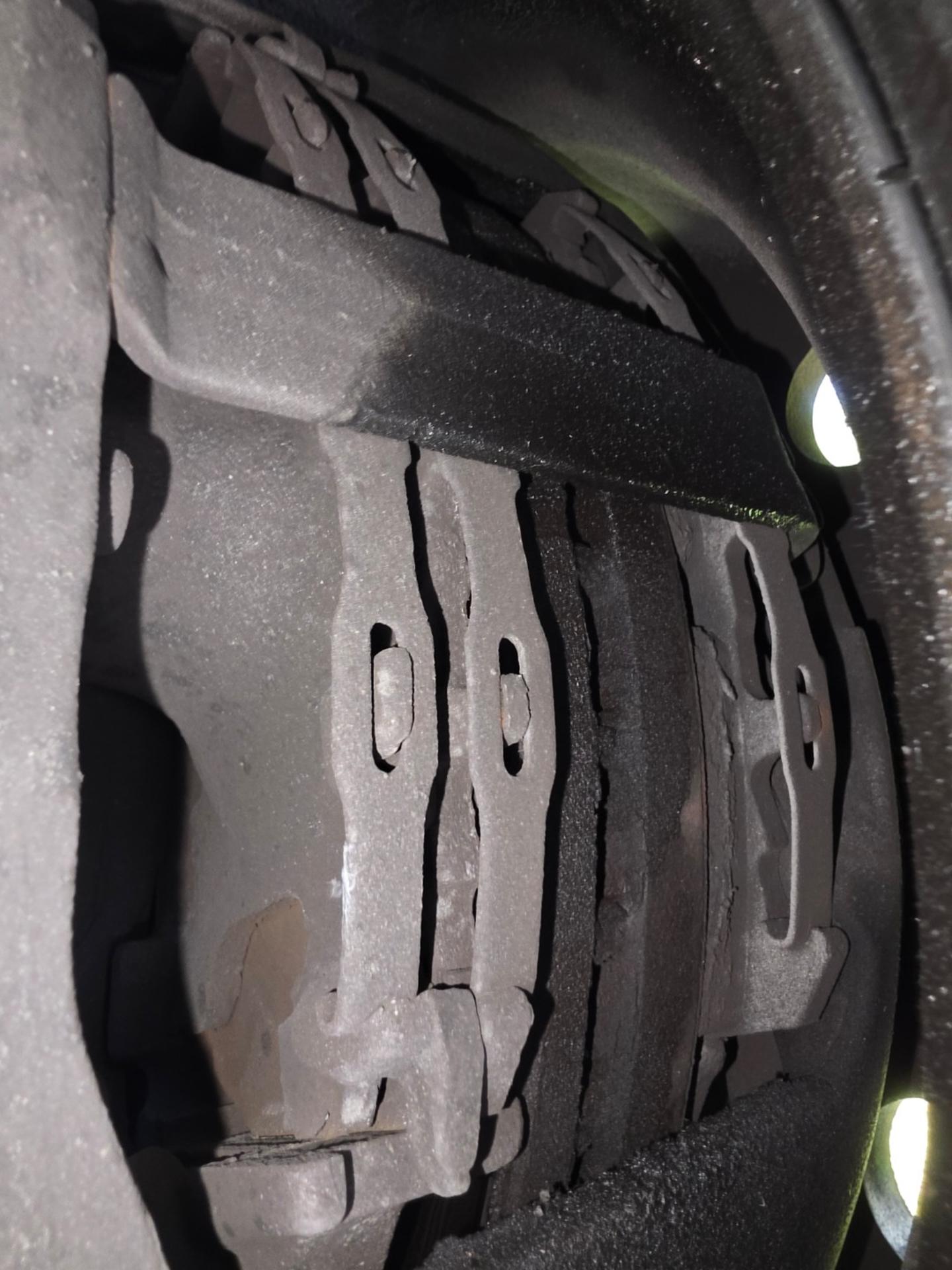
Brake pads rely on friction to slow and stop a commercial vehicle. If oil contaminates the friction material, braking performance can be significantly reduced. This can make the vehicle unsafe for the driver and everyone else on the road.
In most cases, contaminated brake pads cannot simply be cleaned and reused because the oil soaks into the pad material, making replacement the safest option.
A leaking wheel seal can also spread lubricant onto other brake and hub components. Technicians must carefully inspect and clean the entire assembly before the vehicle can safely return to service.
An On-Site Repair That Kept the Truck Out of the Shop
As mentioned, Motorplex recently received a call from a driver reporting oil on a tire and contaminated brakes. Based on the symptoms, the technician anticipated a wheel seal repair and loaded the mobile service truck with additional tools before heading to the job.
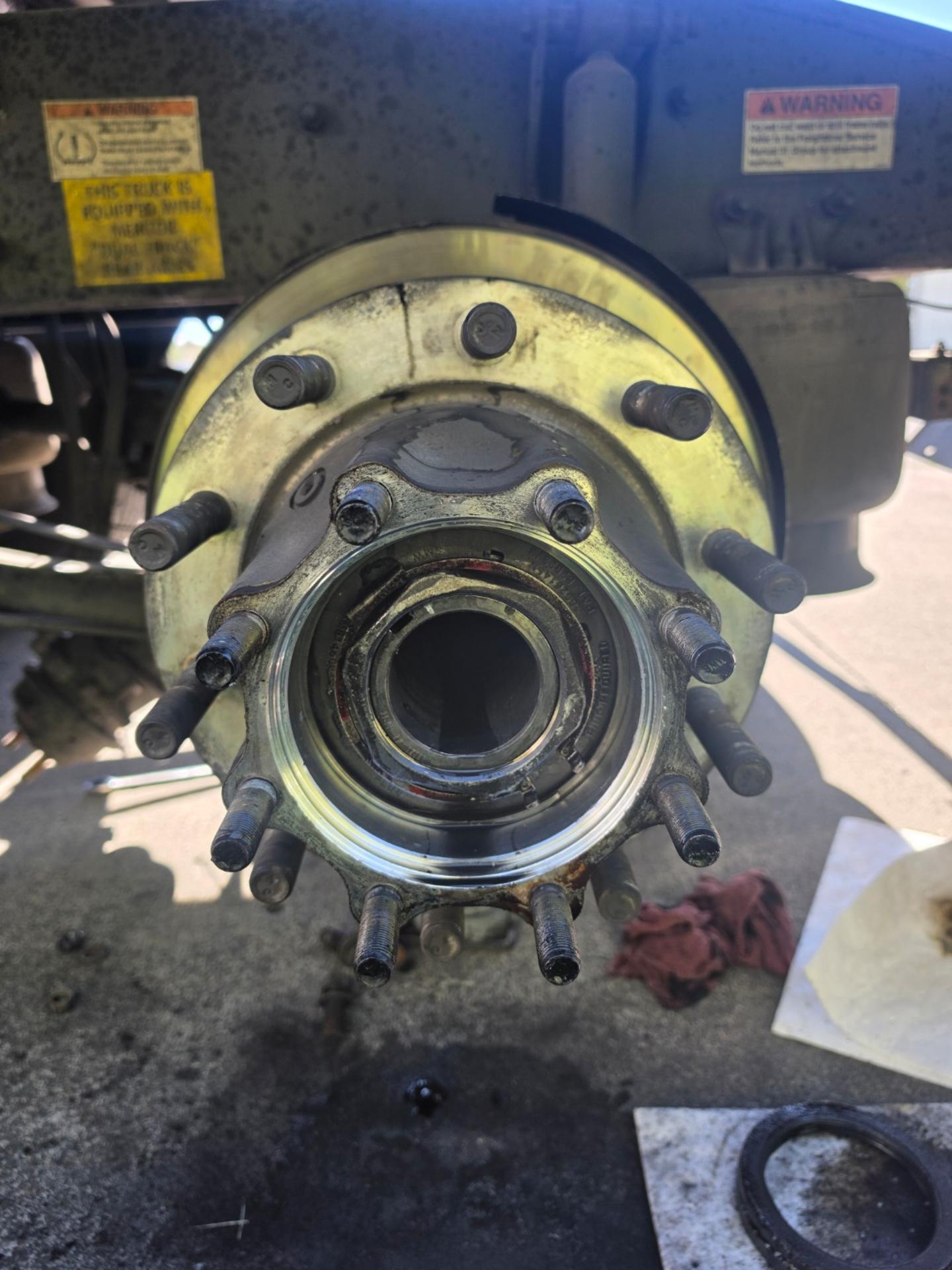
The inspection confirmed that the truck was equipped with disc brakes and that the wheel seal had failed. With the wheels removed and the hub disassembled, replacement parts were ordered and picked up locally so the repair could continue without waiting for the truck to be transported to a shop.
The technician replaced the failed wheel seal, installed a new axle gasket, reassembled the hub, and torqued all retaining hardware to specification. Because the leaking oil had contaminated the braking system, new brake pads and a new brake canister were also installed before the wheels were reinstalled and the lug nuts properly torqued.
Once the repair was finished, the technician cleaned up the work area, packed the old parts and tools, and returned to the Auburn yard.
Signs of a Wheel Seal Failure
A failing wheel seal may not always be obvious at first, but some common warning signs include:
Oil or grease on the inside of the wheel or tire. This is often the first visible sign that lubricant is escaping from the hub.
Oil dripping from the wheel hub. Leaks may appear on the ground after the truck has been parked.
A burning oil smell. Leaking lubricant can reach hot brake components and produce a noticeable odor.
Low hub oil levels. During inspections, technicians may find the hub is losing lubricant, which can lead to bearing damage if not addressed.
Excessive heat around the wheel end. A lack of proper lubrication can cause bearings to run hotter than normal.
Signs of Oil in the Brakes
Once oil reaches the braking system, drivers may notice changes in how the truck stops, including:
Reduced braking performance. The truck may require more distance to come to a stop.
Pulling to one side during braking. Uneven braking force can occur if only one wheel end is contaminated.
Smoke or a burning smell from the wheel end. Oil on hot brake components can produce smoke or strong odors.
Visible oil on the brake caliper, rotor, or surrounding components. This is a strong indication the leak has spread beyond the hub.
Brake warning during inspections. Mechanics may identify saturated brake pads or other contaminated components during routine maintenance.
Supporting Fleets in the Pacific Northwest
Motorplex provides mobile fleet maintenance and repair services for commercial vehicles across Washington State and throughout the Pacific Northwest. Our service area goes into Oregon, Idaho, Montana and British Columbia, Canada.
When your fleet needs experienced mobile truck repair, Motorplex is ready to help with skilled technicians, well-equipped service trucks, and a commitment to keeping your vehicles operating safely and reliably.