Written by the Motorplex Team
Offering fleet maintenance services in Spokane and Auburn, Washington
A Class 8 truck weighs over 33,001 pounds. At the top of the North American truck classification system, these heavy rigs can reach up to 80,000 pounds depending on their load and local permits. Imagine the weight, force, and wear and tear these vehicles put on tires, even with 18 of them!
Tires move the truck, but they also play a major role in safety and fuel efficiency, which affects overall operating costs. Simple things like tire pressure that is slightly off or a worn tread can turn into big, dangerous and expensive incidents if not dealt with immediately.
Proper Pressure Extends the Life of Your Tires
Checking your rig’s tire pressure is vital to safety and operation. Underinflation, in particular, can cause blowouts and premature tire failure. You can avoid expensive repairs and a serious safety hazard by ensuring all tires are within the recommended pressure for the load being carried.
Otherwise, the tire sidewalls will flex during transport. This excessive flexing causes them to heat up, damaging the inside of the tire and wearing down the shoulder. Eventually, pop goes the tire. Truck and trailer tires this size are expensive to replace, and blowouts can cause downtime and accidents.
Underinflation by just 10 psi can shorten tread life by 10% to 25%, reduce tire life by 30% and lead to dangerous blowouts. Source: Fleet Maintenance.
Proper Tire Pressure Improves Fuel Efficiency
Underinflated tires also diminish fuel efficiency. They get more resistance where the rubber meets the road, so to speak. Fuel is certainly more expensive than it’s ever been, and those Class 8 trucks need a lot of it!
You lose 1% of fuel economy for every 10 psi of underinflation across the vehicle. On a Class 8 tractor averaging 100,000 miles/year, that will cost you hundreds of dollars in extra diesel annually. Source: Fleet Maintenance.
Proper Tire Pressure Is Better for the Truck
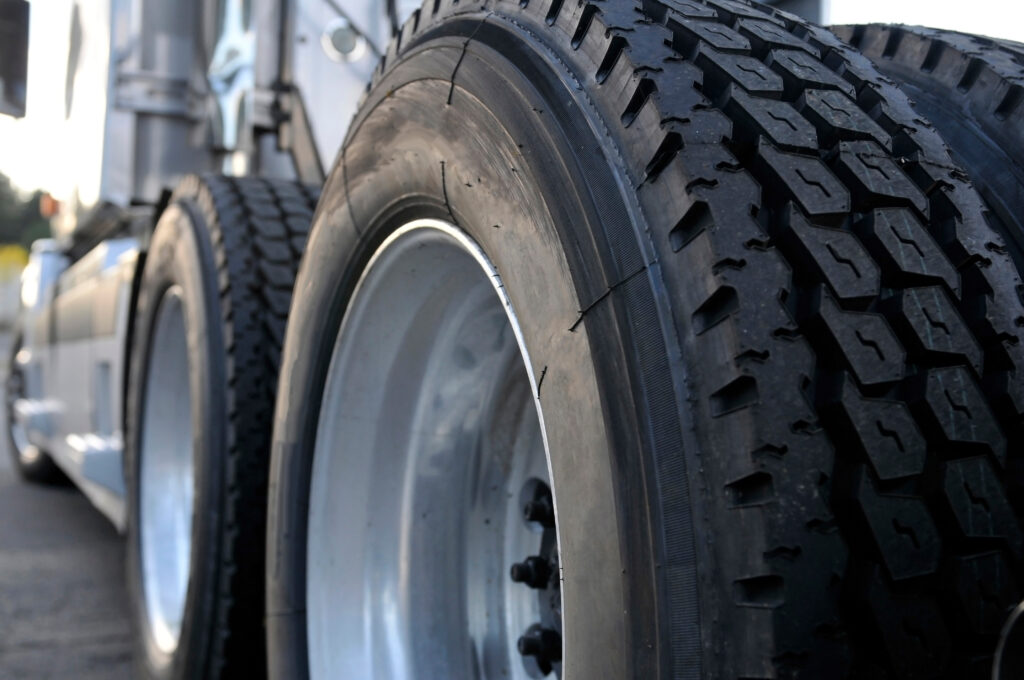
Underinflation can cause shoulder wear. Overinflation can cause center wear! It can also reduce traction in cold or wet conditions and make for a bumpy ride. A bumpier ride puts pressure on the suspension and frame, which isn’t good for the truck.
Your drivers should give the tires a visual inspection before and after every trip. In addition, measuring the tread regularly will help you find signs of wear and damage and prevent costly breakdowns.
Remember to Check the Tread Depth
There are federal regulations on tread depth, and it’s not something you can ignore.
Federal regulations require at least 4/32” on steer tires and 2/32” on trailer tires and drive tires.
However, safety will decline before you reach that limit. When that happens, you’ll lose traction in wet weather conditions and reduce your stopping distance. If you’re nearing that legal tread depth limit, swap the tires before they become unsafe.
Setting the Right PSI
Every vehicle will have different tire pressure specifications, and different tires on the same truck might require different PSI. Check the tire manufacturer’s load and inflation tables to adjust the pressure properly for steer, drive and trailer tires separately. Check them when the tires are cold and not hot off the road.
This is where tire pressure monitoring systems come in handy. Some trucks even have automatic inflation tools to help you catch low pressure or leaks early and ensure you have the right pressure.
Scheduled Tire Services with Motorplex
Tire maintenance isn’t optional. Keeping an eye on those tires visually and putting your tire service on a regular schedule will improve the safety, longevity and fuel economy of your Class 8 fleet vehicles. It will also mean fewer breakdowns and more uptime, which translates to lower operating costs and more money in the bank.
Partner with Motorplex for your fleet maintenance needs. We’ll ensure your vehicles receive the service they need, either on-site or in our fleet service shops in Auburn or Spokane, Washington.