As of late 2025, commercial fleets operating in Washington must adapt to significant regulatory changes. The Washington Department of Ecology has updated emission standards and introduced strict idling limits for heavy-duty diesel trucks. These changes will affect purchasing fleet vehicles, preventative fleet maintenance practices, and daily operations for many fleet managers.
We wanted to provide the information with links to the Washington State government webpages so that you can make the most informed decisions for your fleet and business.
What’s Changing? Emissions Standards for New Trucks
On October 16, 2025, Ecology approved amendments to the state’s Clean Vehicles Program to align Washington with the standards set under the Advanced Clean Trucks and the Heavy‑Duty Low NOx Omnibus regulations used in California. Here’s a breakdown:
-
- From model year 2026 onwards, any new on-highway medium- or heavy-duty internal combustion engine (ICE) vehicles, including trucks and trailers, sold or registered in Washington State must meet stricter emissions standards for nitrogen oxides (NOx), particulate matter (PM), and greenhouse gases.
- The rule does not outright ban diesel trucks, but it forces manufacturers to gradually deliver more zero-emission vehicles (ZEVs) in Washington, or face compliance requirements through emissions standards or credit/trade-in systems.
- Because they know that heavy-duty sectors are harder to electrify quickly, the regulations allow a transition period. As of now, a portion of medium/heavy-duty vehicle sales may remain diesel through at least 2035 under the program’s flexibility provisions.
What this means for fleets:
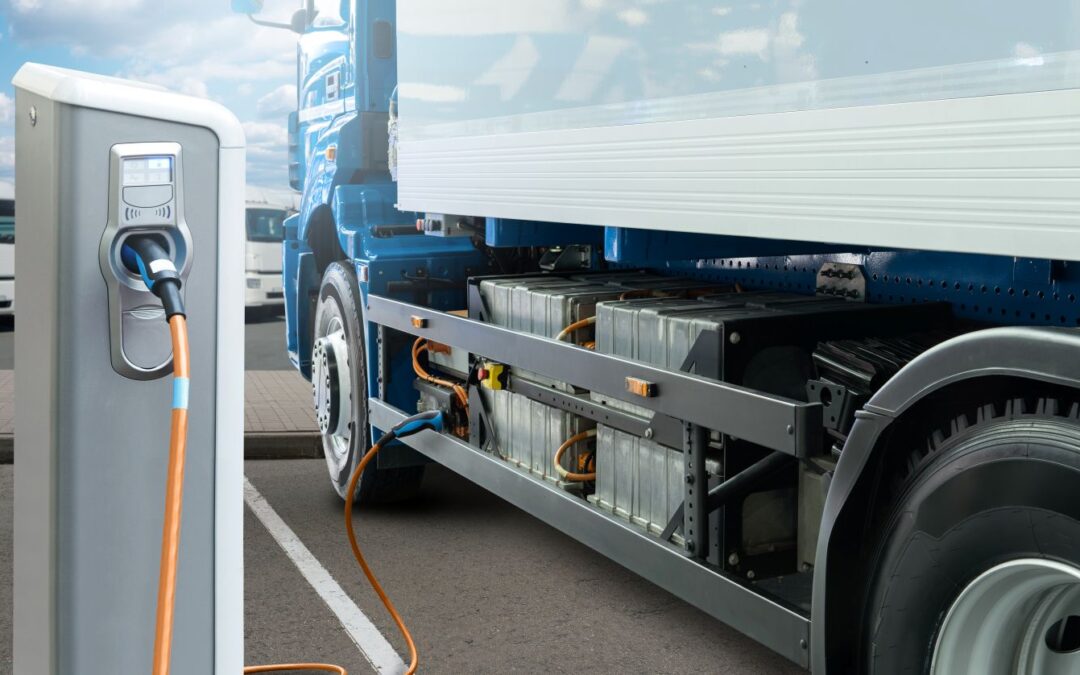
For one, if you’re purchasing new trucks, you’ll increasingly see cleaner-burning diesel models or zero-emission options on the market. And older diesel vehicles may become harder to replace or register as standards tighten; this is something to prepare for. That might mean putting together a long-term transition strategy for your business that includes fleet maintenance to keep engines cleaner and considering EVs for your fleet.
New Idling Rules for Commercial Vehicles
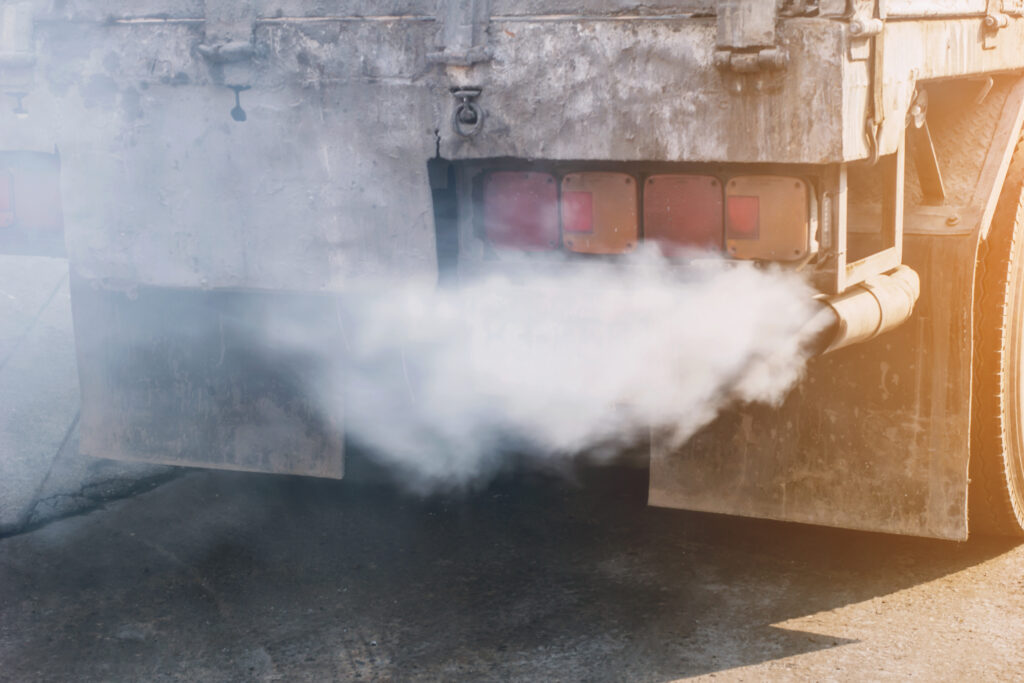
In addition to emissions standards, Washington passed a new anti-idling rule for medium and heavy-duty diesel commercial vehicles earlier in 2025. Under the regulations introduced via Senate Bill 6304, effective at the start of this year, any diesel-fueled commercial vehicle with a gross vehicle weight rating (GVWR) over 10,000 pounds may not idle for more than five consecutive minutes at any location.
The rule also applies to any permanently installed auxiliary power system (APS). For example: sleeper-cabin heaters or A/C units, electrical or thermal power devices. These are limited to 5 minutes if the vehicle is within 100 feet of sensitive zones such as residential areas, hospitals, schools, hotels, and elderly care facilities.
Violating the rule can result in civil penalties of US $300 to US $1,000 per violation per day. State officers or any air pollution control authority can carry out enforcement.
What this means for fleets:
Idling for long periods is very common. Especially during loading and unloading, drivers take a break or heat a vehicle in cold weather. Doing this is no longer compliant with regulations. We’ve had almost a year to adjust to this, but we’re sure it’s still a significant challenge.
Fleets relying on auxiliary power (for sleeper units or equipment) must plan carefully to avoid violations, especially in sensitive areas.
Fleet managers will need to update idle-management practices. That might include using idle-reduction devices, strategic scheduling to minimize wait times or switching to alternative power sources when needed.
Legislation Includes Funding for Commercial Fleet Operators.
Thankfully, there is government funding available to help commercial fleet operators make this transition. Cost is obviously a barrier to transitioning to a cleaner fleet, and state legislation includes an investment to help.
According to this Washington State Ecology news release:
“In 2025, state lawmakers boosted a Washington State Department of Transportation (WSDOT) program under development from $110 million to $126 million to subsidize zero-emission trucks and pay for charging infrastructure. The program, combined with Ecology’s proposal, is expected to address semi-truck issues through at least 2027. WSDOT is also partnering with other states to build public charging from Canada to Mexico. Washington’s portion of the West Coast Truck Charging and Refueling Corridor Project is $26.3 million, using federal, state and private funding.”
Opportunities for Smart Fleets: Work with Motorplex
For proactive, forward-thinking fleet managers, these changes also present major opportunities. That’s where a comprehensive fleet services partner like Motorplex by FleetEasy can add value. We can help with:
Emissions-compliance support and vehicle retrofits: Fleets with older diesel engines may need help upgrading or migrating to compliant engines. Motorplex can offer inspection, maintenance, and retrofit services to meet low-NOx / PM standards.
Idle-reduction solutions and mobile services: Motorplex’s mobile fleet services can help operators install idle-reduction technology, auxiliary-power alternatives (e.g., battery-powered HVAC, shore power), or manage maintenance without violating idle rules.
ZEV transition advice: As zero-emission medium- and heavy-duty trucks become more common, Motorplex can advise on vehicle selection, EV charging and fueling infrastructure, maintenance regimes, and long-term lifecycle cost planning.
Regulatory compliance as a competitive advantage: Fleets that stay ahead of new rules with cleaner emissions and disciplined idle management may appeal more to clients sensitive to environmental protection. Plus, you’ll avoid liability or fines.
Recap on New Emissions Standards:
Here’s what’s happening: tighter emissions standards for new trucks, gradually increased zero-emissions uptake, and strict limits on idling for heavier diesel vehicles.
If you start planning by upgrading engines, adopting idle-reduction practices, and considering zero-emission options, you can turn regulatory compliance into a strategic advantage.
It’s challenging, and we are here to support you and your fleet. Contact us to learn how.
Sources
-
-
- Washington State Department of Ecology — Clean Vehicles Program updates (Advanced Clean Trucks & Heavy-Duty Low NOx): WAC 173-423 summary and rule adoption.
- Senate Bill 6304 — Commercial vehicle idling prevention law: idling limits, auxiliary power restrictions, penalties.
- Washington State Department of Ecology — proposed justifications and industry context for heavy-duty clean-truck transition.
-