
Written by the Motorplex Team
Serving Auburn, Maple Valley, Spokane and fleet operators across Washington State
When a truck won’t start in the yard, and it’s far from home, it costs money every day it sits.
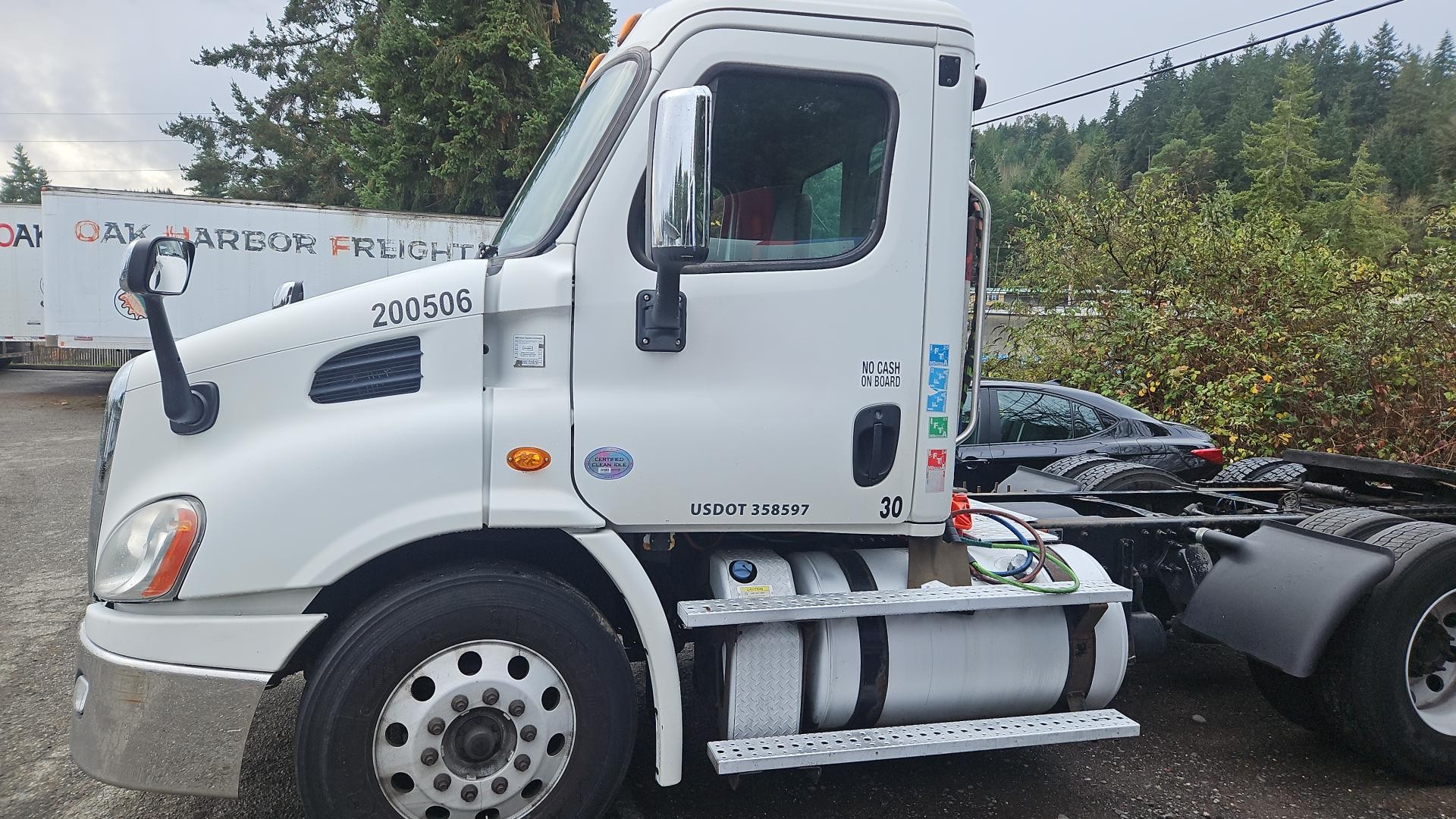
Motorplex by FleetEasy was recently dispatched to a tractor parked in Auburn, Washington, that belonged to an out-of-state fleet in Indiana. The truck had been sitting with dead batteries and needed to be brought back into service quickly. Our technician got to the scene and soon discovered why the batteries weren’t working.
Here’s what happened.
Replacing Batteries Wouldn’t Cut It
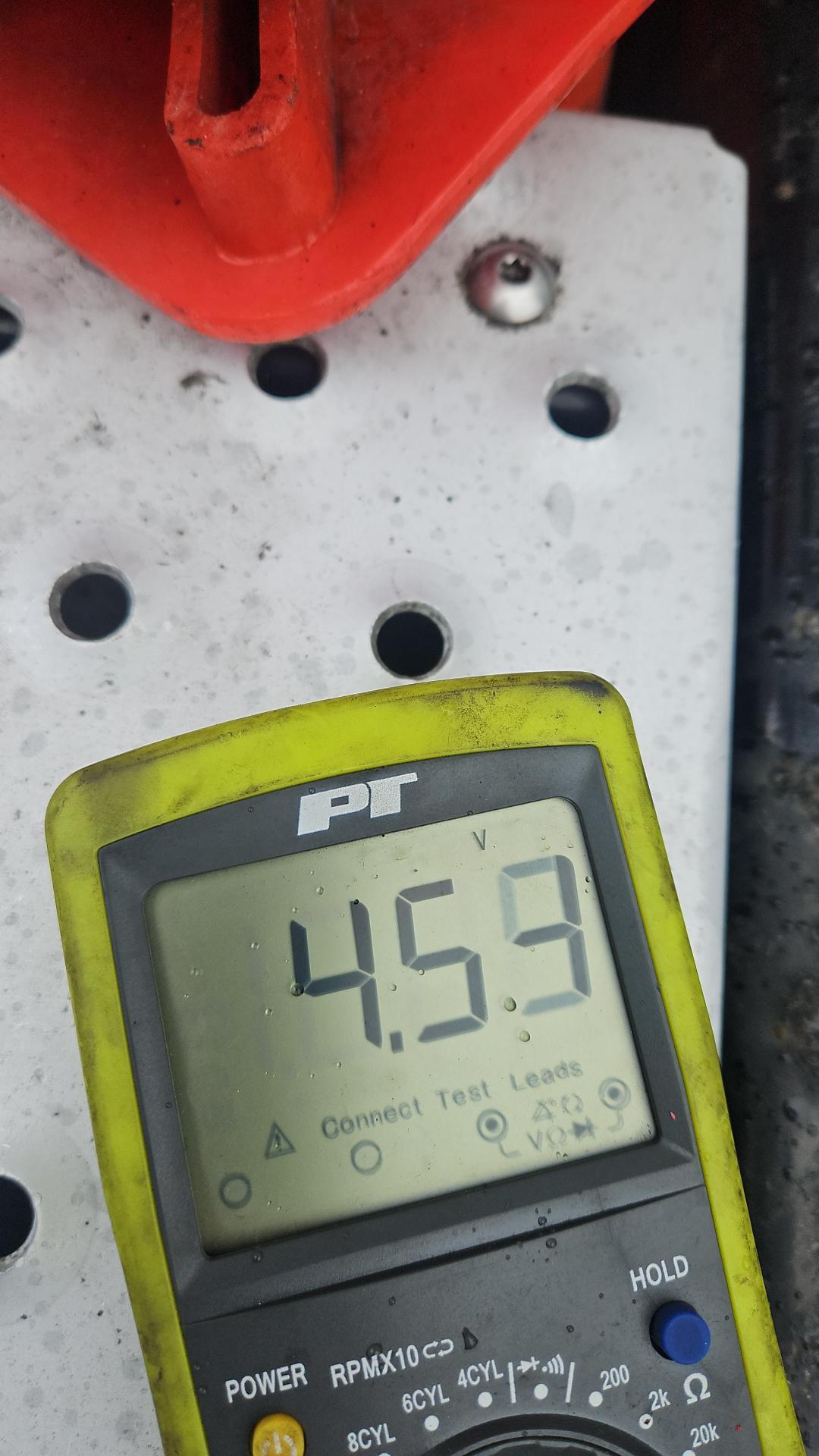
The service call began with a voltage test. The batteries were reading just 4.53 volts, well below the level required to start or safely operate the vehicle. At that point, simply jump-starting the truck or swapping batteries would have been a temporary fix at best.
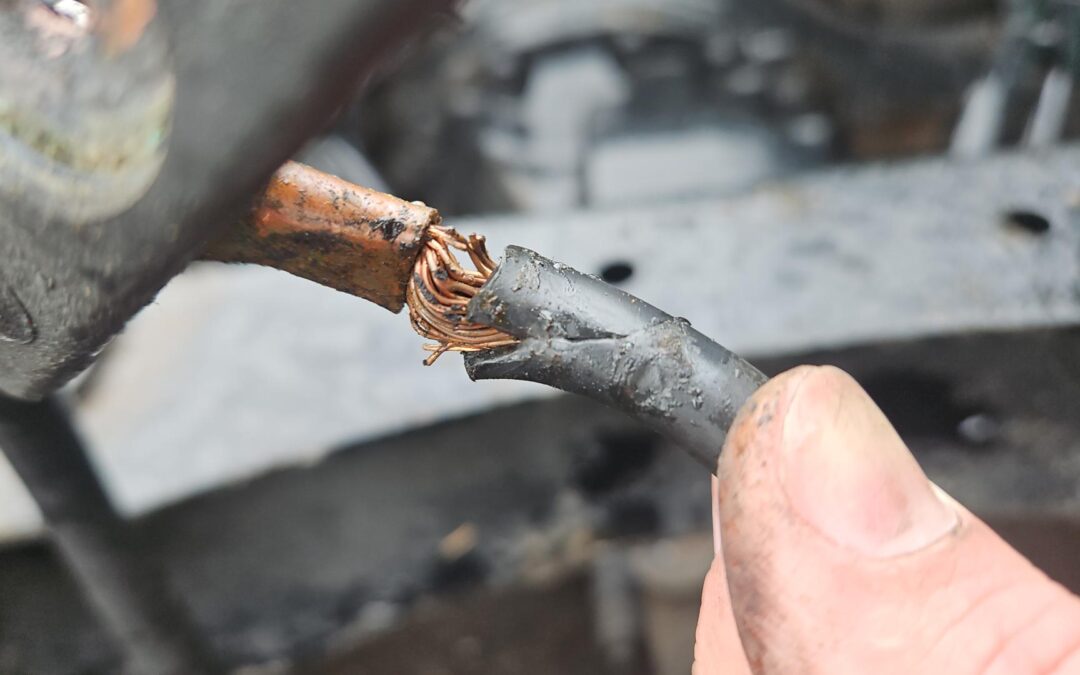
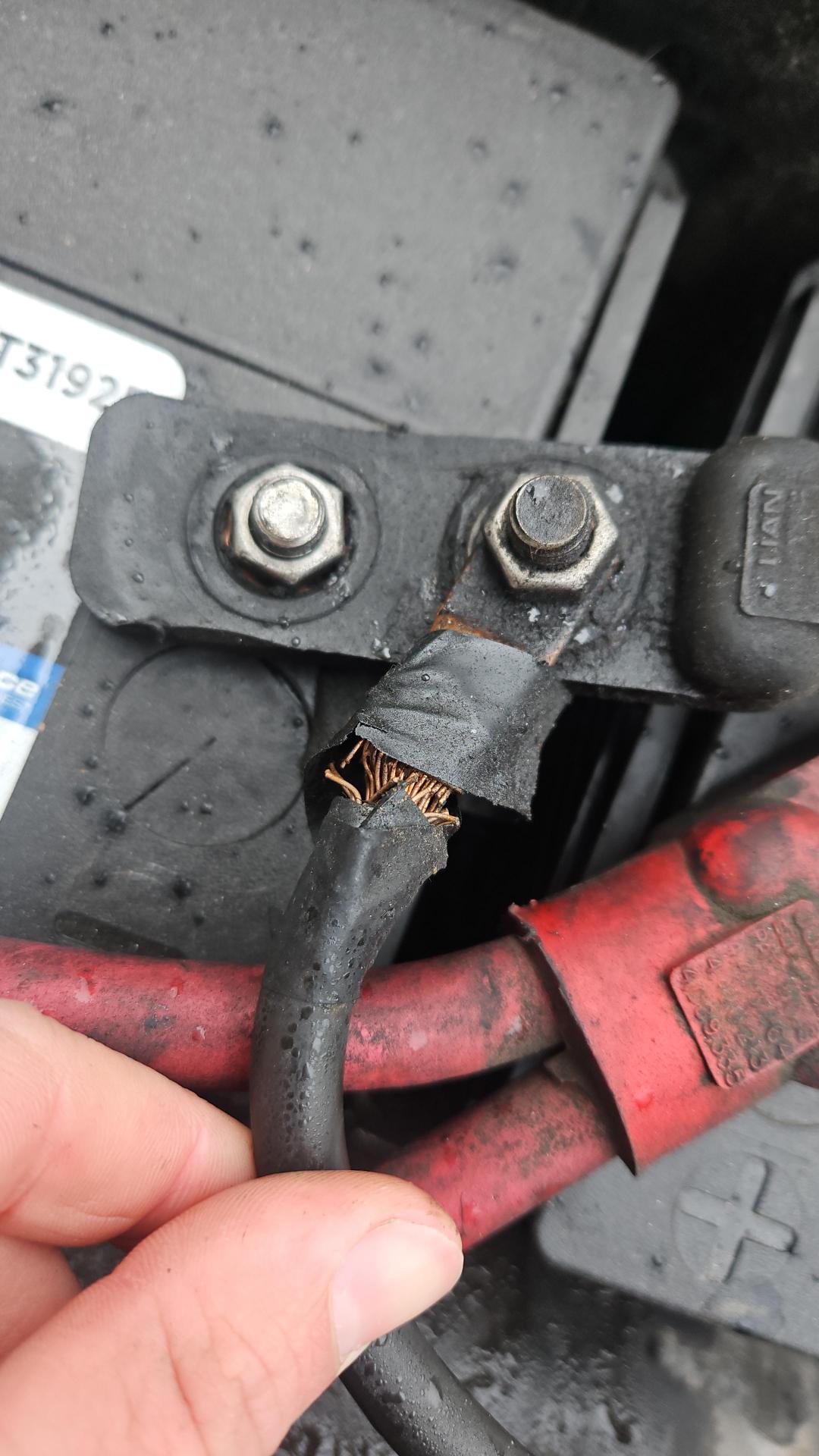
As the technician removed the deck plate and opened the battery box, the underlying issue became clear. A crimp on a negative battery cable lead had failed, and the wire was badly severed and frayed. It also looked like someone tried to repair it with electrical tape. This damaged connection prevented proper power flow and charging and was clearly the cause of the problem.
Why a Damaged Battery Cable Is a Serious Issue
A failing or partially severed battery cable can be dangerous. Damaged cables create electrical resistance, which leads to heat buildup, voltage drops, and unpredictable electrical behavior. In heavy-duty equipment, that can mean intermittent starting problems, stress on the alternator and starter, and potential damage to electrical components.
In extreme cases, compromised battery cables can pose a fire risk, especially in enclosed battery compartments where there’s a lot of heat and vibration.
The scary thing is that these failures often go unnoticed because they develop gradually. What seems like a straightforward battery issue can really be a big problem.
Completing On-Site Fleet Repairs in Auburn
Our tech cut the damaged section of the negative cable back to clean wire. Then he installed a new crimp and sealed it so it was well protected against moisture and corrosion. Once the electrical connection was fixed, four new, higher-rated batteries were installed.
The wiring harness and battery leads were secured correctly, the battery box was closed and protected, and the deck plate was reinstalled. All work was completed on site, without the need to tow the tractor to a shop or delay repairs. This vehicle was ready to roll safely, starting reliably and with all the power it needed.
The Importance of Regular Battery and Electrical Inspections
Battery systems are often treated as consumables and are typically replaced only when they fail. However, batteries are only as reliable as the cables, connections, and charging systems that support them. Loose terminals, corroded connections, and fatigued cable crimps can quietly diminish the entire system.
Regular inspections can catch early signs of failure throughout the entire charging system before they strand a vehicle. In Washington’s damp climate, moisture and corrosion accelerate electrical wear, making proactive maintenance even more important.
A short inspection before and after every trip out can prevent extended downtime, premature battery replacements, and unexpected electrical issues.
Reliable On-Site Repairs, Wherever Your Fleet Is
This tractor’s problem wasn’t dramatic, but it was critical. By identifying the root cause and repairing it properly on-site, Motorplex helped a fleet avoid towing costs, recurring failures, and lost time.
Partner with Motorplex by FleetEasy. We’ll help you get your fleets moving whenever and wherever you need us.
Read more about Motorplex’s on-site repair services.